

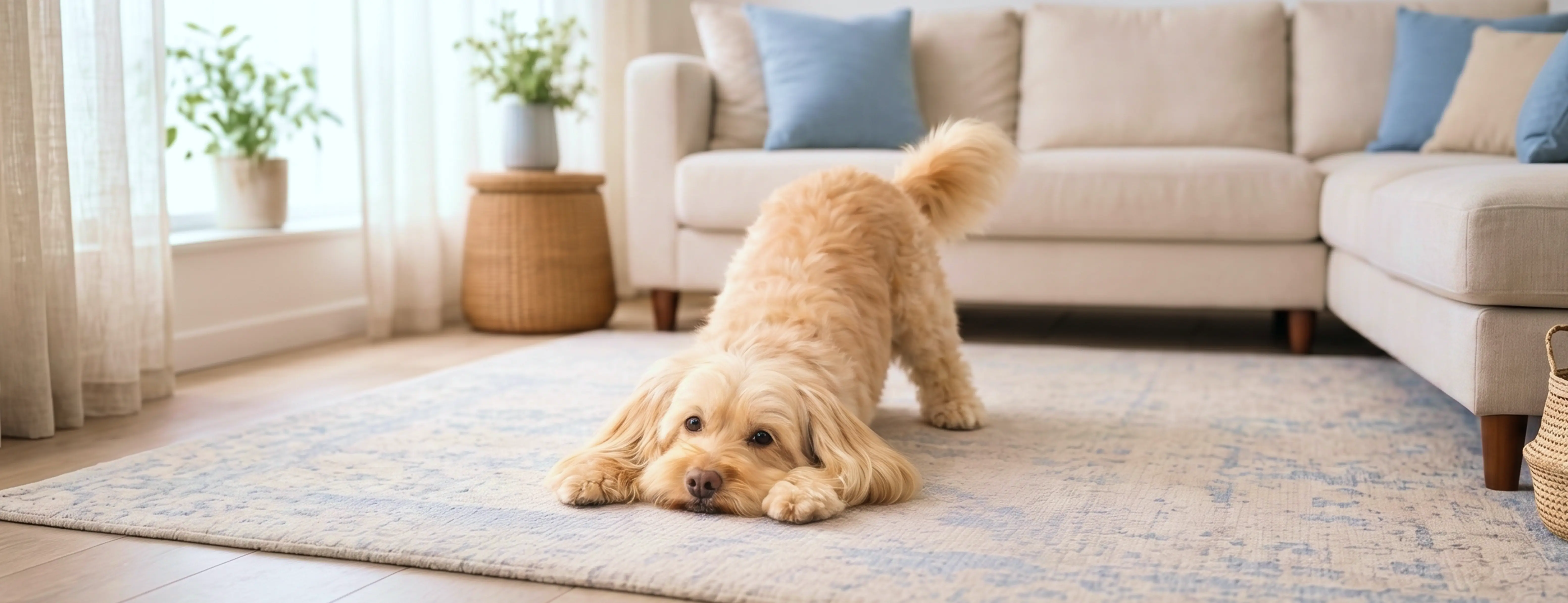
The Hidden Language of Dog Stress
Anxiety in dogs isn't always as obvious as trembling or hiding under the bed. Many "bad behaviors"—like excessive barking, chewing furniture, or pacing—are actually cries for help from a stressed-out pup. Recognizing these early signs is key to providing the support they need.
Common Triggers for Canine Anxiety
Every dog is an individual, but most stress stems from a few common sources:
- Noise Phobias: Thunderstorms, fireworks, and even loud construction work can trigger a "fight or flight" response.
- Separation Anxiety: The distress of being left alone can be overwhelming for many social-oriented breeds.
- New Environments: Traveling, moving house, or visiting the vet can disrupt their sense of safety.
How to Create a "Zen Zone" for Your Pet
When the world gets too loud or scary, your dog needs a sanctuary. Here is how to create one:
1. The Safe Space: Set up a quiet corner with their favorite blanket and an orthopedic bed. Using white noise or soft classical music can help mask frightening sounds from outside.
2. Natural Nutritional Support: Nature provides wonderful ingredients that help take the edge off anxiety without causing lethargy. Our Psismack Calming Bones are designed specifically for this. They contain a blend of natural herbs that support the nervous system during stressful moments.
3. Mental Enrichment: A bored dog is often an anxious dog. Licking and chewing release endorphins (happy hormones) in a dog's brain. Using a puzzle toy or a long-lasting calming treat can help redirect their focus from the source of stress to a rewarding activity.
The Importance of Routine
Dogs thrive on predictability. Feeding, walking, and playing at the same time every day provides a "security blanket" of routine. If you know a stressful event is coming (like a holiday or a move), try to keep their schedule as consistent as possible.
When to Seek Professional Help?
If your dog’s anxiety leads to self-harm, aggression, or extreme panic, it is important to consult a professional behaviorist or a veterinarian. Sometimes, a combination of training, environmental changes, and natural supplementation is the best path to recovery.
Final Thought: Patience is your greatest tool. Healing anxiety takes time, but with the right approach and a little extra love, your dog can learn to feel safe in the world again.

